Table of Contents
ToggleYour Bosch refrigerator has been keeping food fresh for years, but like any hardworking appliance, some parts eventually wear out or fail. Rather than replacing the entire unit, a costly and wasteful option, many homeowners can handle routine Bosch refrigerator parts replacements themselves. Whether it’s a faulty water filter, a struggling compressor, or a broken ice maker component, knowing which parts fail most often, where to buy genuine replacements, and when to DIY versus calling a pro will save you time, frustration, and money. This guide walks you through the essentials so you can diagnose problems confidently and make the right repair decision.
Key Takeaways
- Bosch refrigerator parts like water filters, ice maker components, and door gaskets can be replaced by homeowners with basic tools, saving hundreds of dollars compared to full unit replacement.
- Compressors and cooling coils are the most critical parts—keep condenser coils clean every six months and listen for unusual grinding or rattling sounds to catch failures early.
- Always purchase genuine Bosch refrigerator parts verified by model number before ordering, and avoid cheap knockoffs that fail prematurely or cause additional damage.
- Before replacing parts, troubleshoot common issues like blocked air vents, clogged water filters, and the compressor’s normal vs. abnormal operation to confirm what actually needs repair.
- Water filter replacement, ice maker components, and door seal maintenance are safe DIY tasks, but compressor work, refrigerant handling, and electrical repairs require EPA-certified licensed technicians.
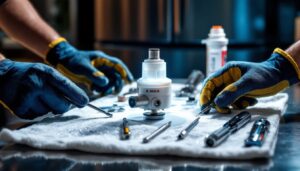
- Unplug your refrigerator and shut off the water supply before starting any repair, use essential tools like screwdrivers and socket sets, and take reference photos before disassembling panels for easier reassembly.
Common Bosch Refrigerator Parts That Fail
Compressors and Cooling Coils
The compressor is the heart of your refrigerator, it circulates refrigerant through the cooling system to maintain temperature. Over time, compressors can lose efficiency or fail entirely, and you’ll notice your fridge won’t reach the target temperature or cycles constantly. Diagnosing a failing compressor requires listening for unusual noise (grinding, rattling, or a humming that won’t stop) and checking whether the back coils are actually cold to the touch.
Cooling coils work hand-in-hand with the compressor. Dust and pet hair accumulate on the condenser coils (usually on the back or bottom of the unit), reducing their ability to dissipate heat. This forces the compressor to work harder and can shorten its lifespan significantly. A simple brush-out every six months prevents many cooling problems.
Replacing a compressor is a job for a licensed technician in most jurisdictions because it involves handling refrigerant (a regulated substance under EPA rules). But, you can extend compressor life by keeping coils clean, ensuring proper door seal, and not blocking airflow inside the fridge.
Water Filters and Ice Maker Components
If your Bosch refrigerator has a built-in ice maker or water dispenser, the water filter is one part that definitely needs regular replacement, typically every six months or per manufacturer guidance. A clogged filter reduces water flow, makes ice taste stale, and forces the water valve to work harder. Changing a water filter is a beginner-friendly DIY task: locate the filter cartridge (usually in the upper right corner of the fridge or below the vegetable drawer), twist or slide it out, and install the replacement.
Ice maker components fail in predictable ways. The ice maker fill tube can freeze solid if humidity inside the fridge is too high or if the water supply pressure is too low. The inlet valve (which lets water into the ice maker) can stick or fail. The ejector arms that push ice cubes into the bin can crack or misalign. Most of these parts are affordable replacements (under $100 each) and don’t require special tools, just a flathead screwdriver and maybe a socket set. But, the inlet valve does involve shutting off the water supply behind the fridge, so ensure you’re comfortable with that step.
Where to Source Genuine Bosch Parts
Buying the right part the first time saves you a return trip and frustration. Always purchase genuine Bosch parts or verified equivalent components, cheap knockoffs may fit temporarily but often fail early or cause further damage.
Authorized Bosch parts retailers include major online platforms like Amazon, eBay, and appliance-specific suppliers. Verify the part number matches your exact model before ordering. Your refrigerator’s model number is usually on a sticker inside the fridge, on the back panel, or in the owner’s manual. Write it down before shopping.
Local appliance parts stores can sometimes order Bosch components faster than big-box retailers and offer knowledgeable staff who can confirm fit and compatibility. They’re also worth visiting if you’re unsure which part you need, showing them your model number can prevent buying the wrong item. Online retailers often have better pricing, but factor in shipping time: genuine Bosch parts aren’t always stocked locally, so expect 3–5 business days for delivery unless you pay for expedited shipping.
One reliable reference for appliance repair guidance comes from product reviews for home appliances, which tests both replacement parts and repair strategies. Cross-reference part specifications there before making a final purchase.
DIY Part Replacement: Tools and Safety Tips
Before you start, unplug the refrigerator from the electrical outlet. This isn’t optional, it prevents shock and accidental compressor engagement while you’re working inside. If you’re replacing a water-related component, also shut off the water supply valve behind or underneath the fridge.
Essential tools for most Bosch refrigerator repairs:
- Flathead and Phillips screwdrivers
- Socket set or adjustable wrench (for water valve nuts)
- Flashlight or headlamp
- Small plastic pry bar (for clips and trim panels)
- Work gloves and safety glasses
- Shop towels (water drips)
For electronic components, wear work gloves and remove jewelry to avoid shorting circuit boards. When removing panels or covers, take a photo with your phone first, it’s an easy reference for reassembly. Bosch uses clips, screws, and snap-fit connections: if something feels stuck, look for hidden fasteners or clips rather than forcing it.
When replacing water-related parts, place a towel underneath to catch residual water. After installing a new water filter, flush cold water through the dispenser for 30 seconds before using it for drinking water. For ice maker installations, allow the system to cycle once or twice before checking ice quality, the first batch often tastes stale due to old water in the lines.
Door seals and gaskets are also DIY-friendly replacements. Plumbing fixes and home maintenance guides offer step-by-step approaches to seal replacement if you find yours is cracked or hard.
Troubleshooting Before You Replace
Before spending money on parts, confirm the actual problem. Many “failing” refrigerators just need basic troubleshooting.
Temperature issues: Check that the thermostat is set correctly and air vents inside aren’t blocked by food or packaging. Blocked vents are the #1 cause of uneven cooling. Clean the condenser coils (described earlier), visible dust buildup is almost always the culprit. Listen to the compressor running in cycles: if it runs continuously without stopping, the cooling system is struggling.
Water dispenser not flowing: Before replacing the inlet valve, ensure the water supply valve behind the fridge is fully open (turn the knob or lever counterclockwise). Check the water line for kinks or freezing. A clogged filter often causes low pressure, replace the water filter first. If water still won’t dispense, the problem is the inlet valve.
Ice maker frozen or not producing: Check that the water supply is on and the filter isn’t clogged (same steps as above). Look at the fill tube on the back wall of the freezer, if it’s covered in ice, the water pressure is too high or humidity is excessive. Thaw it with a hair dryer on low. If the tube refreezes immediately, the inlet valve may be stuck open.
Strange noises: A humming compressor is normal. Grinding, rattling, or squealing suggests mechanical failure, compressor, fan blade, or motor bearing. Buzzing or clicking can mean a faulty relay or capacitor, both professional repairs. Don’t ignore noise: running a failing compressor longer can cause additional damage.
When to Call a Professional vs. Handle It Yourself
Safe DIY jobs:
- Water filter replacement
- Ice maker components (inlet valve, fill tube, ejector arms, motor)
- Door gaskets and seals
- Shelves, drawers, and interior trim
- Condenser coil cleaning
Jobs requiring a licensed technician:
- Compressor replacement or refrigerant work
- Faulty relay or capacitor (electrical risk)
- Evaporator coil leaks (requires EPA-certified technician)
- Motherboard or control board replacement (requires diagnostic equipment)
If you’re uncomfortable working with water lines, electricity, or mechanical fasteners, that’s honest feedback, call a pro. A service call typically runs $100–$200 for diagnosis plus parts and labor. Compare that against the cost of a replacement refrigerator ($600–$2,000+) and the environmental impact of discarding a functional unit.
Bosch’s warranty (typically 1 year for parts and labor, sometimes extended) covers manufacturer defects. Check your documentation, if your fridge is within the warranty period, contact Bosch directly rather than buying parts yourself. They may repair it for free or direct you to an authorized service center.
For kitchen-specific repair strategies and appliance guidance, kitchen design ideas and appliance reviews discusses when repairs make sense versus replacement from a long-term home value perspective.